



Advertorial
While there is
still a considerable amount of uncertainty regarding the UK backing out of
Europe, what's also in a state of flux is the farming and agricultural sector
here. In the next decade or so, farmers will be expected to produce more food
for consumers, despite having less access to water and new land, all the while
battling climate change and an aging workforce.
The NFU says
that many scientific projects - including ventures designed to protect crops,
improve soil health, and create a more sustainable supply chain - are currently
funded by European research programmes that will likely be unobtainable to
scientists in the UK after Brexit. President of the NFU, Minette Batters,
discussed the importance of science merging with farming to create a healthy
and sustainable future for the UK and its people.
"We need
the government to help us create the right economic and commercial conditions
for scientists and farmers alike to flourish," said Batters. "Aside
from driving our climate change response, productivity improvements also have
the potential to deliver important economic gains - helping deliver more highly
skilled jobs in farming, increased output and improved export
performance."
What's
being done to help?
Aiming
for sustainability in business is one thing but having the right tools
and incentives to make it happen is another. Being sustainable while satisfying
consumer demand and keeping costs at an acceptable level, are all challenges
facing the UK farming sector, but there is some light on the horizon. In
addition to pledges made to support
British farming and fish industries with £6 billion, there are other
ways to assist UK agriculture. Much is being made of highly advanced farming
machinery of late, particularly an upcoming and highly anticipated combine
harvester model now
available from CLAAS
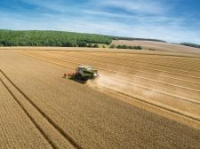
The newest LEXION model, developed by industry leaders CLAAS, is a very productive and efficient combine harvester that also harnesses a feature called Dynamic Power, which allows it to automatically adjust engine output depending on factors like field conditions and load weight. Intelligent driver assist technology and a laser field scanner helps improve precision when harvesting as well. All this amounts to a reduction in fuel, time, and even the workload of farmers across the UK.
